
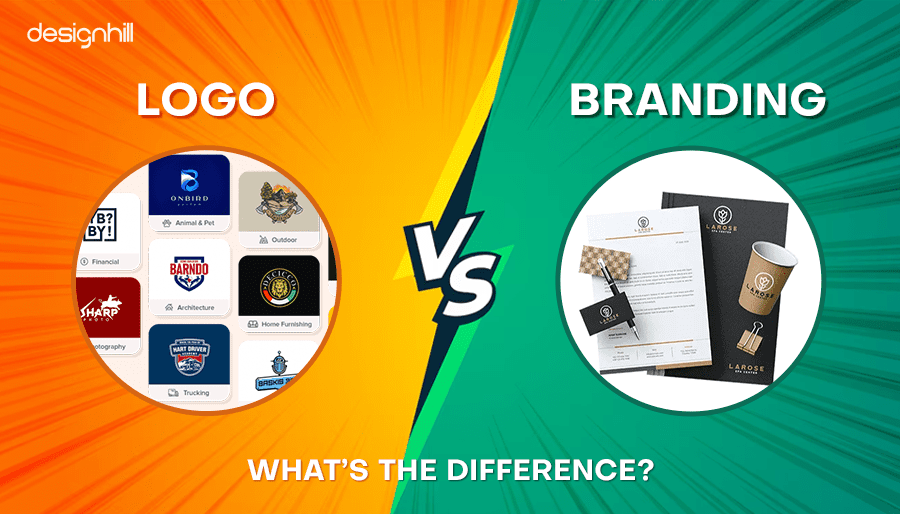
When building a business, people often confuse a logo with branding. While your logo is a crucial visual element, branding goes much deeper. Understanding the difference between logo and branding can help you create a powerful business identity that stands out in a competitive market. In this blog post, we’ll break down the difference between logo and branding, why each is important, and how they work together to strengthen your business
What Is a Logo?
A logo is a visual symbol or design that represents your business. It often includes a combination of:
Typography (e.g., your business name in a unique font)
Icons or symbols
Specific colors
Key Elements of a Great Logo:
Simple and memorable
Visually aligned with your industry
Scalable across all platforms (print, web, mobile)
Timeless design
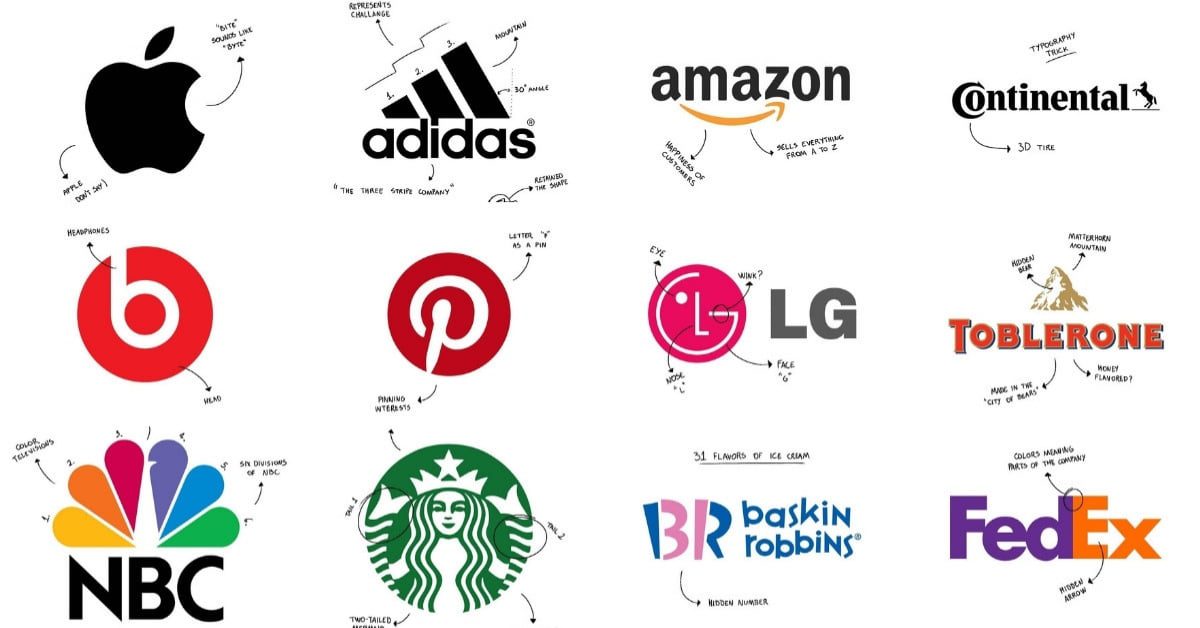
Example: The Nike “swoosh” or the Apple logo — instantly recognizable and tied to brand reputation.
What Is Branding?
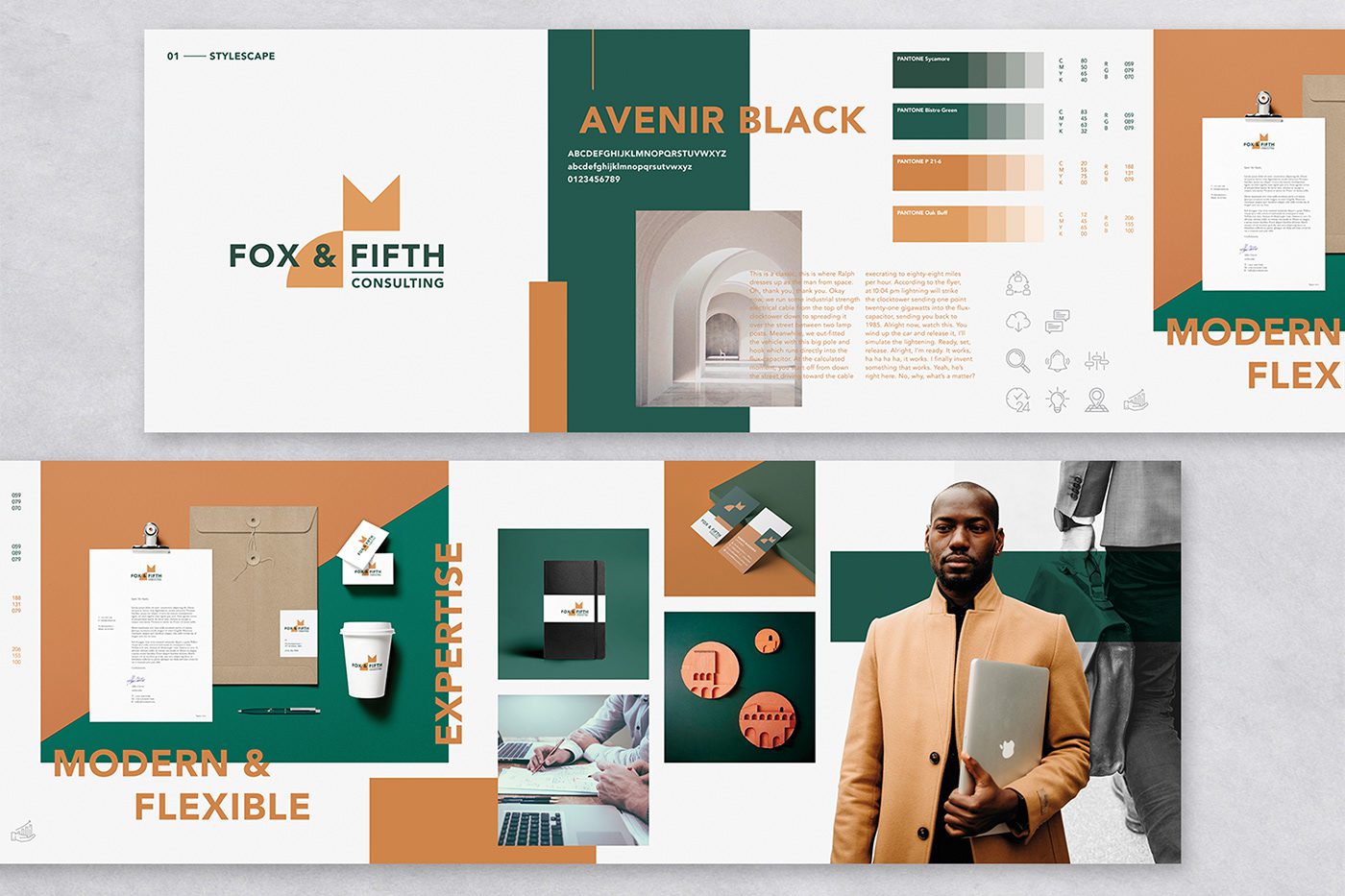
Branding is the overall perception and emotional connection people have with your business. It includes your logo, but it also goes beyond visual elements.
Branding is about how your company looks, feels, communicates, and behaves.
Key Elements of Branding:
Brand voice and messaging
Company values and mission
Visual identity (colors, fonts, imagery)
Customer experience
Emotional connection with your audience
Branding is how customers feel about your company after interacting with it. A logo may attract attention, but branding keeps people coming back.
Why the Difference Matters
Understanding the difference between logo and branding is vital for business success. Here’s why:
Strategic Growth: Branding helps define your business strategy and guides decisions.
Customer Loyalty: A strong brand creates trust, which leads to repeat customers.
Consistency: Branding ensures all your content and communication are aligned.
Competitive Edge: While competitors may copy a logo style, they can’t replicate your brand personality.
How to Combine Logo and Branding Effectively
To build a strong presence, you need both a well-designed logo and a consistent brand identity.
Tips:
Work with a professional designer who understands your brand.
Define your brand voice (e.g., formal, friendly, witty).
Choose consistent colors, fonts, and imagery across all platforms.
Deliver a seamless experience — from website to customer support.
Final Thoughts
Your logo is just the tip of the iceberg. Branding is the foundation beneath the surface that supports your entire business. Together, they create a complete identity that not only attracts attention but also builds lasting trust and loyalty.
So, the next time someone asks about the difference between logo and branding — you’ll know it’s more than design vs. identity. It’s about creating an emotional experience that people remember and trust.